Tianjin Botai Heat Exchange Equipment Co.,Ltd

What are the common problems with food-grade plate heat exchangers?
2020-08-17
Common Issues with Food-Grade Plate Heat Exchangers 1. Clogging Issues When a food-grade plate heat exchanger is in operation, if the pressure drop at the front and back increases and the pressure parameters exceed 0.1MP, it may indicate that the heat exchanger is experiencing clogging. In this case, it is necessary to stop work, clean, and remove debris.
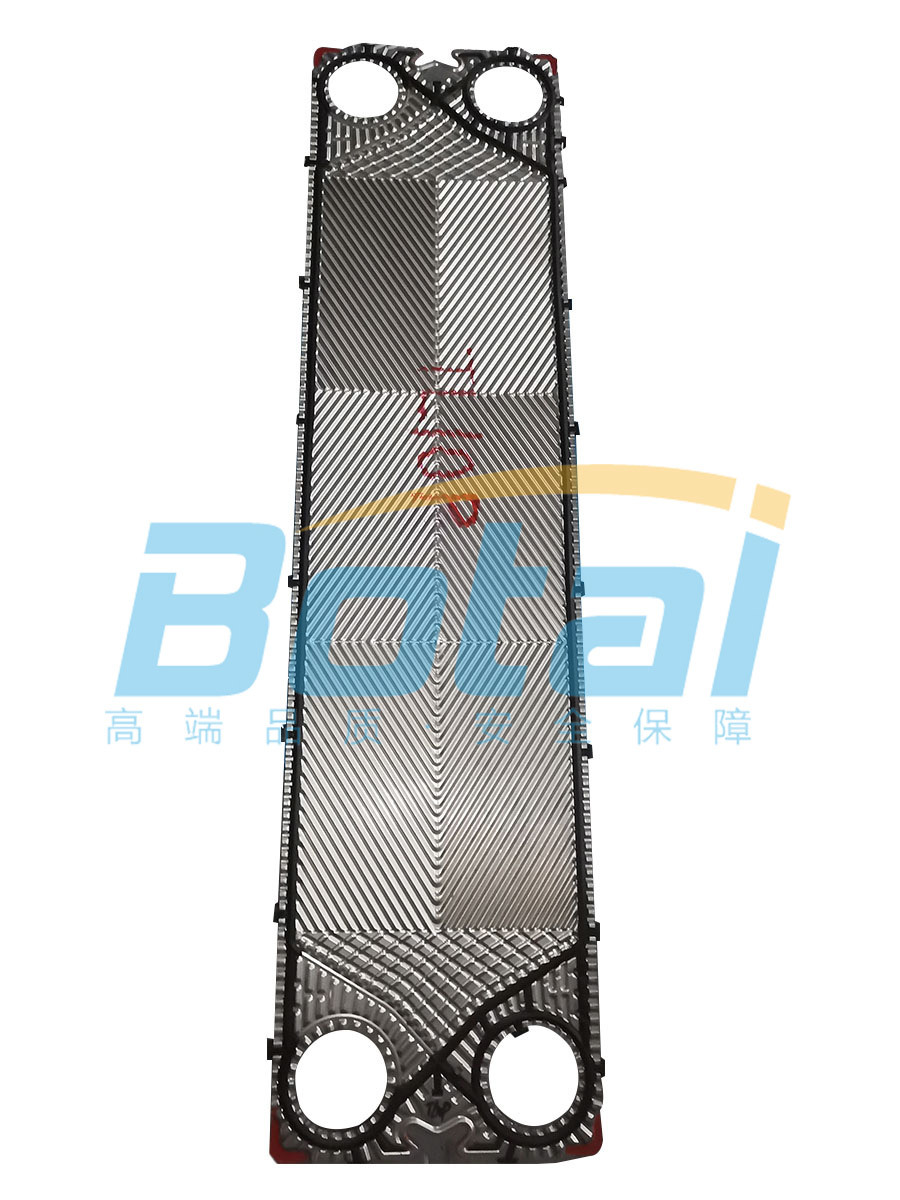
Food-grade plate heat exchangerCommon problems
1. Blockage issues
When the food-grade plate heat exchanger is in operation, the pressure loss at the front and back increases, and if the pressure parameters exceed 0.1MP, it may indicate that the heat exchanger is experiencing blockage. In this case, it is necessary to stop work, clean, and remove debris.
2. Internal gas not discharged from the heat exchanger
After installation and operation, it is important to check for a large amount of air inside. The exhaust system should be checked, and only after discharging the air should formal operation commence.
3. Water quality issues in the system, leading toFood-grade plate heat exchangerinternal scaling
In the face of this situation, one method is to shut down the machine, disassemble it, and clean it. Another method is chemical cleaning.
4. Heat exchanger leakage
If the heat exchanger leaks, the pressure on both sides will be consistent, indicating that water is leaking internally. Internal leaks require timely replacement of plates; external leaks require replacement of sealing gaskets.
The above is all the content prepared by the editor regarding the common problems that can easily occur with food-grade plate heat exchangers. I hope the relevant introductions in the article can provide everyone with a clearer understanding of plate heat exchangers.
Previous Page:

Address: Baofu No.2, Tianbao Economic Development Zone, Baodi District, Tianjin
Telephone:+86 022-29277918 +86 15510836301
Fax: 022-29277920
E-mail:tjbthrsb88@163.com