Tianjin Botai Heat Exchange Equipment Co.,Ltd

Plate heat exchanger Manufacturer: Advantages of Tianjin plate heat exchangers and reasons for blockage
2020-09-21
Advantages of the structure of Tianjin plate heat exchangers It has a special structure, which has obvious characteristics in heat transfer performance compared to other types of heat exchange equipment:
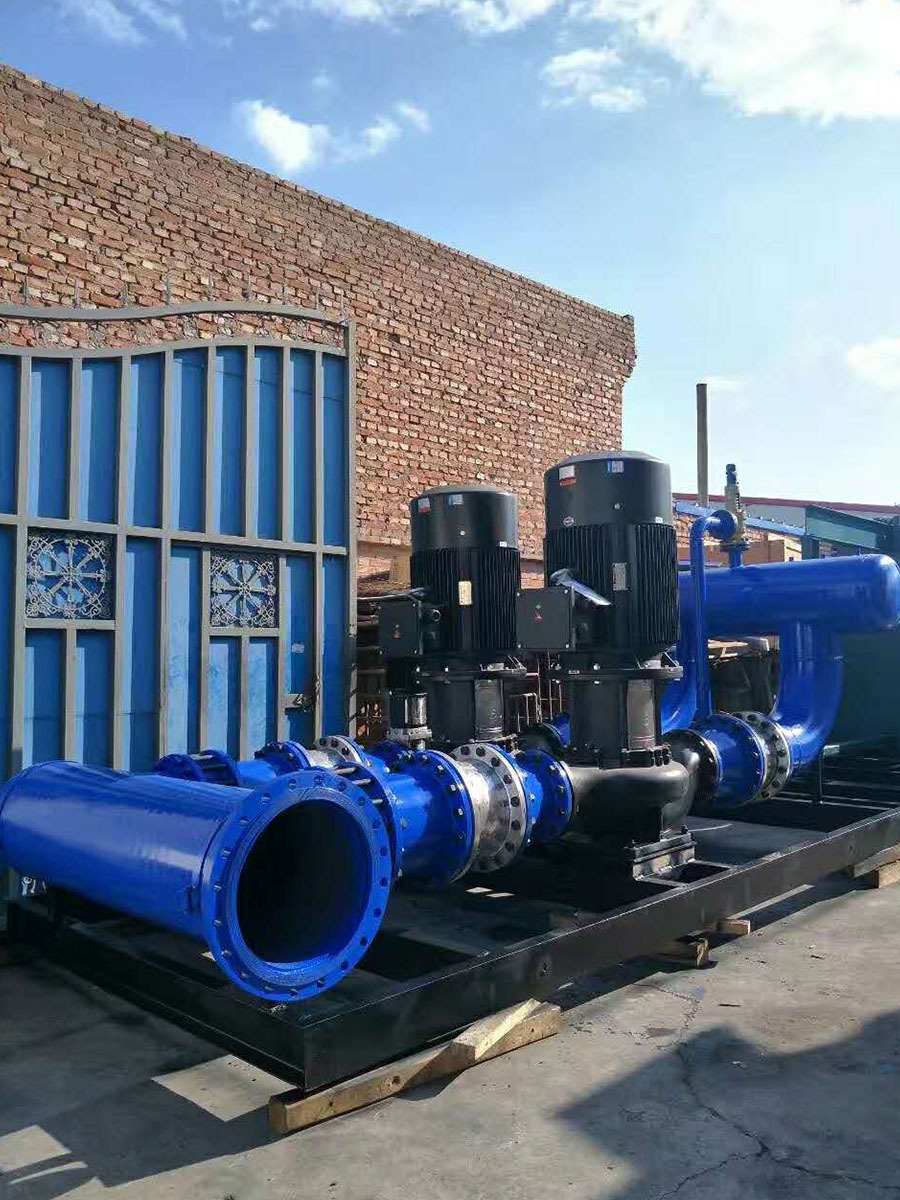
1.Tianjin Plate Heat ExchangerAdvantages in Structural Form
It has a special structure, which has obvious characteristics in heat transfer performance compared to other types of heat exchange equipment:
1. High heat transfer coefficient
ManufacturerThe heat transfer medium enters the fluid channel between the plates in the equipment, with no bypass, and the flow channel is formed by overlapping two plates with opposite corrugated patterns. Therefore, there are many contact points that press against each other between the plates, causing the shape of the flow channel to change continuously, forming a complex flow state that is net-like and variable. As a result, turbulence can occur even at very low fluid velocities, and the fluid continuously collides with the plates in the flow channel, greatly enhancing the heat transfer capacity.
2. Low fouling coefficient
The intense turbulence of the fluid in the equipment makes it difficult for impurities to settle; the dead zone in the inter-plate channel is small; the smooth heat transfer surface made of stainless steel has fewer corrosion deposits, etc., which results in a much lower fouling coefficient compared to other types of heat exchangers.
2.Tianjin Plate Heat ExchangerCauses of Blockage and Scaling
1. The inter-plate channel is very narrow, generally only 3-4mm. When the heat transfer medium contains larger solid particles or fibrous substances, it is easy to block the inter-plate channel.
2. Most heat exchangers are selected based on load, with a larger capacity. If the initial operating load is small, the flow velocity of the heat transfer medium in the heat exchanger is far less than the design flow velocity, and the shape of the flow channel is very irregular, making it difficult for some impurities entering the heat exchanger to be carried out, easily adhering to the stainless steel heat transfer surface to form dirt.
3. The residual hardness of the circulating medium is relatively high, and the dirt attached to the heat transfer surface is closely adhered to the high-temperature side. Through continuous baking and the precipitation of CaHCO3, Ca(OH)2, MgHCO3, and Mg(OH)2 crystals in the medium, a thin scale is formed, which, after long-term high-temperature baking, continues to thicken, forming hard scale.
ManufacturerOnce the heat exchanger is blocked and scaled, it will inevitably lead to contamination of the heat transfer surface, a decrease in heat transfer efficiency, poor heat transfer effect, and in severe cases, increased system resistance, reduced flow on the high-temperature and low-temperature sides, and insufficient heat transfer.
Previous Page:

Address: Baofu No.2, Tianbao Economic Development Zone, Baodi District, Tianjin
Telephone:+86 022-29277918 +86 15510836301
Fax: 022-29277920
E-mail:tjbthrsb88@163.com